Table of Contents
Equally as you 'd see a doctor for a physical health problem, consulting a psychological wellness expert for emotional or psychological obstacles is a clever, aggressive selection. If you're still on the fencing concerning whether treatment is ideal for you, start with the 10 points nobody tells you regarding beginning therapy or a few of the most regularly asked concerns concerning treatment. Past the research study, therapy offers sensible advantages that expand far past signs and symptom decrease.
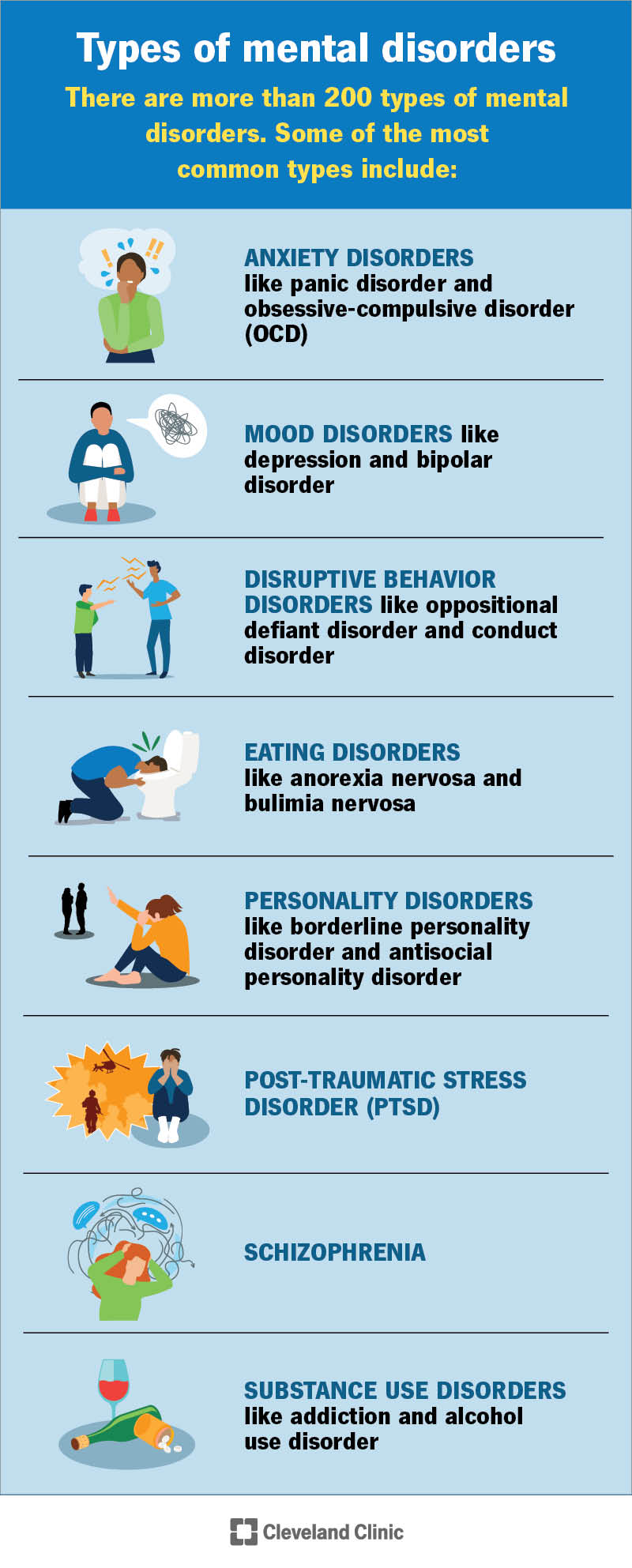
A therapist aids you understand what you're really feeling, offering support and understanding that can be grounding, specifically if you have actually been carrying things alone for a long period of time. When you're in the center of anxiety or uncertainty, it can be hard to see the complete picture. Therapists bring an outdoors viewpoint that isn't shaped by your past, your partnerships, or your expectations of on your own.
If you've made it this far and you're still asking yourself, "do I need therapy?" the solution is probably yes. Also if you doubt, trying treatment doesn't dedicate you to anything long-term. Consider it as an investment in yourself and your health. Starting treatment does not need to be overwhelming or take months.
Your specialist aids you mirror, make links, and understand yourself with even more clarity. Many sessions end with a fast check-in to help you really feel based and prepared for the week in advance.
Identity Shifts Processing in Attention Deficit Hyperactivity Disorder
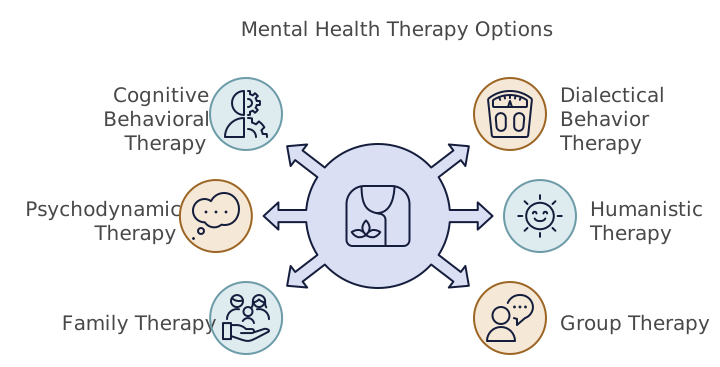
CBT focuses on thoughts and habits, DBT sustains psychological guideline, and EMDR helps you procedure trauma. Find out more concerning discovering the right therapy method for you. Your therapist can likewise help figure out which strategy fits best based on your goals and readiness. Weekly sessions prevail, however some individuals go biweekly or monthly based on their demands and progression.
Signs treatment is starting to work include handling challenges better, feeling even more based, recognizing your patterns, communicating more plainly, and feeling even more like yourself. Sluggish progression is still progression. It's alright to switch over. The restorative relationship is one of the strongest predictors of success. If something really feels off, you can speak with your therapist, or find a person new without regret. You don't require to prepare anything, but believing concerning your objectives, feelings, and what's been taking place in your life can be valuable.
Treatment for teenage mental health and wellness, anxiety, teenager anxiety, and various other challenges requires time and care. Different phases of the recovery process may need different levels of treatment. It's valuable to understand the distinction in between inpatient vs. residential treatment, as well as inpatient treatment vs. outpatient treatment. Optimal therapy takes right into account a teen's individual needs and history, along with their seriousness of their diagnosis.
Teens could get therapy initially in an inpatient psychological health device of a health center, transfer to a domestic setup, tip down to an outpatient program, and then receive weekly therapy and/or attend support groups at a community teenager mental wellness. Given all these choices, it can be difficult for parents to identify the distinction, let alone recognize what their child requires to recover.
Transformation Nurturing in Recovery
Within those groups are a lot more subtle distinctions. Let's take a look at the distinction between inpatient and property treatment, along with inpatient vs. outpatient mental health and wellness programs. The primary differences between inpatient vs. domestic treatment are where it happens, the length of stay, and the total therapy goals.
Typically, inpatient treatment is for teenagers that are in the severe stage of a mental health condition and require continuous support. Inpatient keeps usually comply with a teen emergency room go to for a self-destruction effort or other crisis circumstance. Thirty days is normally the maximum time for inpatient teenager psychological wellness treatment.
Relapse Understanding in Recovery
Generally, the goal of inpatient treatment is to maintain the individual and guarantee they are not a threat to themselves or others. Adhering to inpatient treatment, adolescents who need lasting care are frequently transferred to teen domestic therapy, occasionally referred to as residential inpatient treatment.
residential treatment, it's handy to recognize that property treatment concentrates on lasting healing instead of crisis monitoring. Due to the fact that teenagers stay for one to 3 months in property care, there is even more time to deal with the origin of psychological wellness and behavior problems. We know that reaching out can be challenging.

A residential timetable for teens includes medical care, experiential tasks, and academics. While in household therapy, clients reside in a comfy, homelike setup and are monitored by experienced team. Personnel consist of psychoanalysts, specialists, therapists, nurses, dietitians, and experiential treatment experts. As we have seen, household care is normally the following step in a teenager's recovery journey after inpatient treatment in a health center.
Relationship Counseling and Communication
It's tough for parents to send their child far from home. The lasting benefits of this option can be life changing. Research study reveals that the structure and ongoing support of a household program is one of the most reliable method to achieve lasting healing from anxiety, anxiety, trauma, and co-occurring behavioral issues like compound misuse and self-harm.
When investigating mental wellness choices, it's all-natural to begin the search close to home. The best psychological health and wellness therapy for a person's specific medical diagnosis and requirements may not be offered locally.
Purpose Finding in Attention Deficit Hyperactivity Disorder
Within those groups are a lot more refined distinctions. Let's have a look at the distinction between inpatient and residential treatment, along with inpatient vs. outpatient mental health programs. The main differences in between inpatient vs. domestic therapy are where it occurs, the length of keep, and the total therapy goals.
Usually, inpatient treatment is for teens who are in the acute phase of a mental health disorder and require continuous assistance. Thirty days is normally the maximum time for inpatient teenager mental wellness therapy.
Generally, the goal of inpatient therapy is to stabilize the individual and guarantee they are not a risk to themselves or others. Adhering to inpatient treatment, teens who need long-term treatment are frequently moved to teen domestic therapy, sometimes referred to as household inpatient therapy.
residential therapy, it's useful to recognize that residential therapy concentrates on lasting recovery as opposed to crisis monitoring. Due to the fact that teenagers remain for one to three months in property treatment, there is more time to attend to the origin causes of mental health and behavior concerns. We understand that connecting can be difficult.
Masculine Challenges
A residential routine for teenagers includes scientific care, experiential tasks, and academics. While in household treatment, customers stay in a comfy, homey setup and are monitored by skilled personnel. Team participants include psychoanalysts, therapists, counselors, registered nurses, dietitians, and experiential therapy specialists. As we have actually seen, domestic treatment is generally the next action in a teenager's healing journey after inpatient care in a health center.
It's hard for moms and dads to send their kid away from home. The long-term advantages of this option can be life changing. Study reveals that the structure and ongoing support of a domestic program is the most reliable means to attain long-lasting recovery from clinical depression, anxiousness, trauma, and co-occurring behavioral concerns like drug abuse and self-harm.
When researching mental health and wellness options, it's natural to begin the search close to home. The ideal mental wellness therapy for a person's certain diagnosis and demands might not be readily available in your area.

Navigation
Latest Posts
Measuring and Growth Through Attention Deficit Hyperactivity Disorder
Inclusive Support Support Through ADHD Therapy
Autonomic Approaches to Stress Response Balance